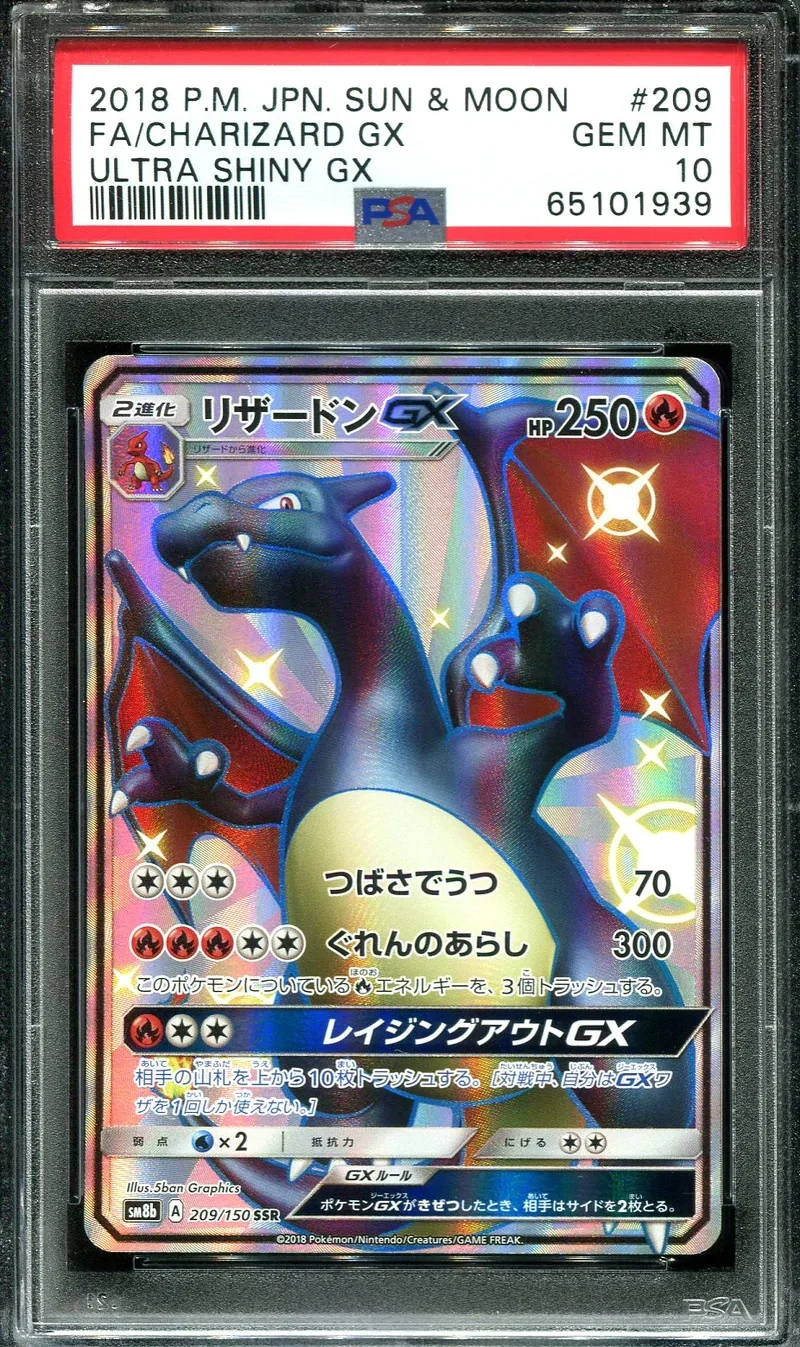
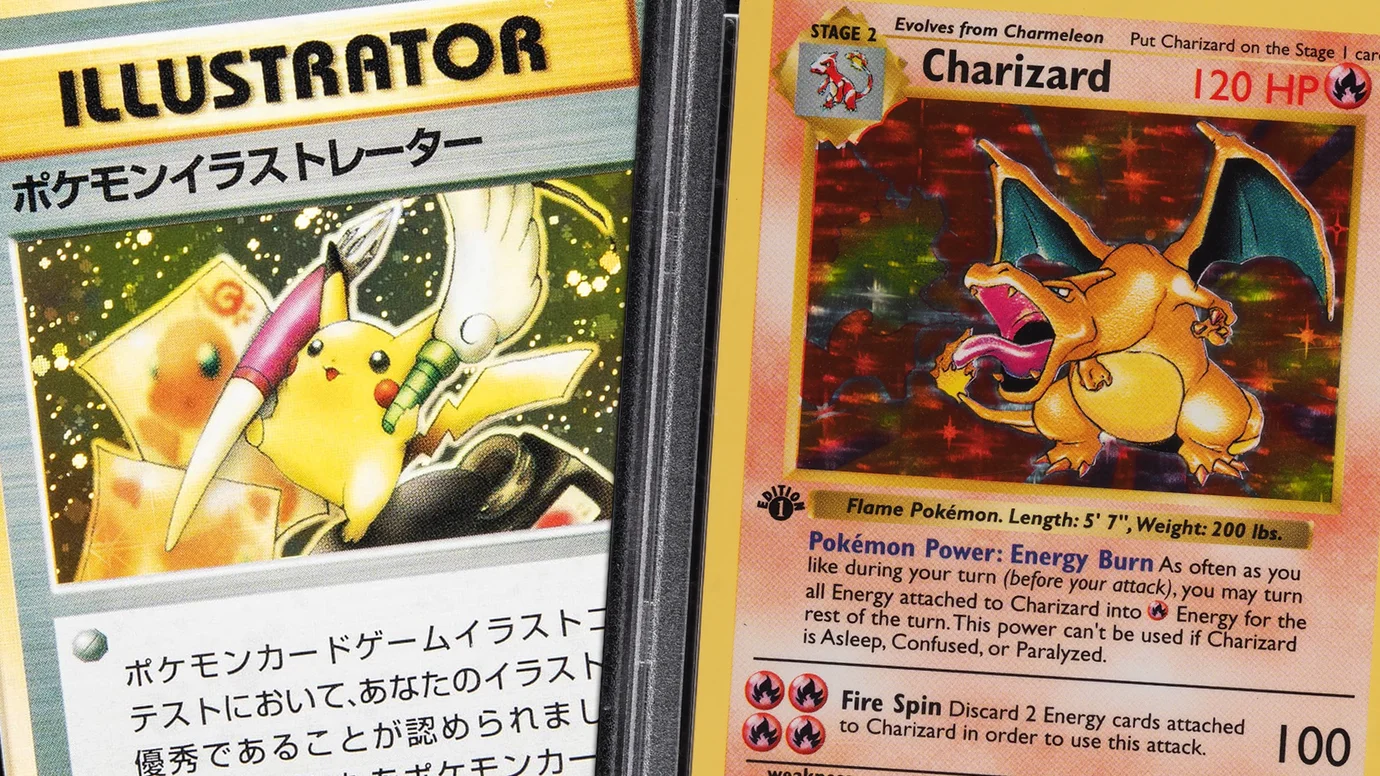
The most expensive Pokémon card ever sold is a PSA 10 Pikachu Illustrator, which sold for $16,492,000 at Goldin on February 16, 2026, a sale recorded by Guinness World Records1. The seller was Logan Paul, who had bought the same card for $5,275,000 in July 20212. Below that, the top results are a mix of other Pikachu Illustrator copies, rare prize cards and high-grade Charizards.
The top 10 recorded Pokémon card sales
These figures come from reported auctions and private sales. Treat them as results for specific copies, not price tags for every card with the same name.
| Card | Grade | Price | Date |
|---|---|---|---|
| Pikachu Illustrator | PSA 10 | $16,492,000 | Feb 2026 |
| Pikachu Illustrator | PSA 10 | $5,275,000 | Jul 2021 |
| Pikachu Illustrator (MBA Gold Diamond) | PSA 9 | $5,000,000 | Sep 2026 |
| Art Academy Mudkip (2015 Japanese XY-P) | PSA 10 | $3,720,000 incl. premium | Sep 2026 |
| Pikachu Illustrator | PSA 9 | $1,275,000 | Jun 2021 |
| Pikachu Illustrator | PSA 7 | $900,000 | Feb 2022 |
| Pikachu Illustrator | CGC 9.5 | $672,000 | Oct 2022 |
| Legendary Collection Charizard reverse holo | PSA 10 | $575,000 | Sep 2026 |
| Pre-first edition Blue Back Charizard | PSA 10 | $493,230 | Jan 2021 |
| EX Dragon Frontiers Gold Star Charizard | PSA 10 | $475,000 | Sep 2026 |
The 2021 and 2022 entries come from Complex's list2. The 2026 Heritage, Fanatics Collect and Goldin results come from compiled auction reports1. Neither source claims to be a complete ranking of every public and private transaction, so a true "top 100" list cannot be confirmed from verified data.
Other cards that reached six figures
Several cards outside the Illustrator family also sold for large sums, according to Complex2:
- Silver No. 2 Pikachu Trainer, PSA 10: $444,000 in September 2023. It was a second-place prize from the 1997-98 Japanese Lizardon Mega Battle tournament events.
- First-edition Charizard, PSA 10: $420,000 in March 2022.
- First-edition Charizard, SGC 10: $369,000 in December 2020, then described as a record.
- Galaxy Star holographic Blastoise, CGC 8.5: $360,000 in January 2021. CGC described it as a presentation prototype for English-language cards, apparently the only one.
The Blue Back Charizard is reportedly one of 31 copies, made in 1995 and released in Japan in 1997 with apple-flavored bubble gum2. Scarcity like that, plus a top grade, is the common thread across this list.
Why Pikachu Illustrator dominates the list
Pikachu Illustrator appears at least five times in the top results. Its prices vary widely by grade: $900,000 for a PSA 7 in 2022, $1,275,000 for a PSA 9 in 2021, and $16,492,000 for the PSA 102. Complex reports the PSA 10 was the only copy with that rating when Paul bought it, and Guinness presented him with a certificate at WrestleMania 38.
Timing also moves results. Thirty bidders competed for the PSA 7 card, which briefly set a record2. Heritage sold a PSA 9 copy with an MBA Gold Diamond mark for $5,000,000 in September 20261. A second high sale for one design does not set the value of every existing copy.
What separates a record card from yours
Two cards with the same Pokémon can be completely different objects. Polkastarter recommends identifying a card by printing, language, grade, specimen, auction and date1. Start with the collector number and language, then check set, edition, finish and any promotional distribution.
Some examples of confusion the guide flags:
- Art Academy Mudkip, a 2015 Japanese XY-P prize card, is not the Gold Star Mudkip from EX Team Rocket Returns.
- The Legendary Collection reverse-holo Charizard is not interchangeable with a Base Set Charizard.
- Base Set printings, anniversary reproductions and illustrated prize cards can share a Pokémon but differ in value.
Grade matters, but it is not a conversion formula. You cannot divide a PSA 10 price by a guessed percentage to value a raw card. Population reports also count only certifications within one grading company, not every surviving copy1.
How to check what your own card might be worth
Record prices rarely apply to a binder card. Polkastarter suggests this process1:
- Photograph the front and back clearly.
- Write down the full identity: set, number, language, edition, finish.
- Search completed sales using those details, not asking prices.
- Remove sales with different languages, printings, grades, signatures or bundles.
- Note the sale date and currency, and separate hammer price from totals with buyer's premium.
- Use several comparables where possible, and flag it when only one exists.
On retail marketplaces, an original asking price may hide an accepted lower offer. The same guide warns not to assume a better grade before paying for grading, since authentication, grading, shipping, insurance and selling fees all cut into proceeds.
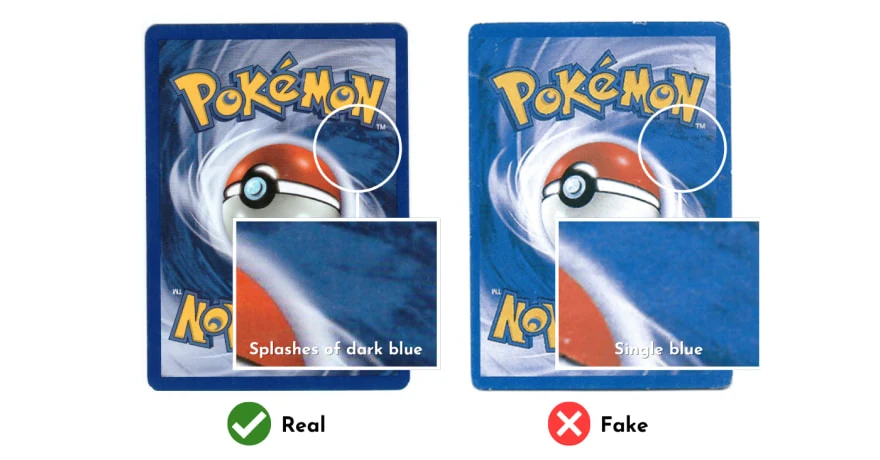
Before you pay grading fees, an iPhone app can analyze card photos to estimate PSA, CGC, Beckett, TAG and SGC grades and check centering. Buddy also runs a fake check on lettering, numbers, print and foil, and gives pricing based on real sales from platforms like eBay and TCGplayer. Its results are estimates, not official grades.
Common mistakes to avoid
The biggest mistake is treating a headline sale as a value for your copy. Polkastarter says a modest recent sale in comparable condition is often far more relevant for an ordinary card than any record1.
Other pitfalls:
- Assuming reported equals settled. Auction results do not independently prove payment, and private sales often lack public evidence.
- Using old prices. Complex notes the PSA 10 first-edition Charizard sold for almost $60,000 more than an SGC 10 copy a little over a year earlier, showing yesterday's price is not today's2.
- Expecting pack odds to match records. Auction results say nothing about what you will pull from modern packs, so set an entertainment budget instead1.
- Underestimating the wait. Complex describes getting cards graded during the 2021 boom as a nightmare in itself, so plan for delays before you count on a sale2.